What is the Average Cost of a Solar Power System?
The solar power system cost can vary widely. Many factors influence the final price. These include system size, equipment types, and installation complexity.
Homeowners often seek to understand the cost involved. A small system might average around $10,000. Larger setups can exceed $30,000, depending on energy needs. Sometimes, local incentives or tax credits can reduce the burden. Still, potential buyers should be aware of hidden fees and fluctuating market rates.
Evaluating solar power system cost requires careful planning. Not all systems deliver equal savings. Users should reflect on their energy consumption patterns. Some may find that investing in solar is not worth the upfront expense. Exploring options thoroughly is essential to making an informed decision.
Understanding Solar Power Systems and Their Costs
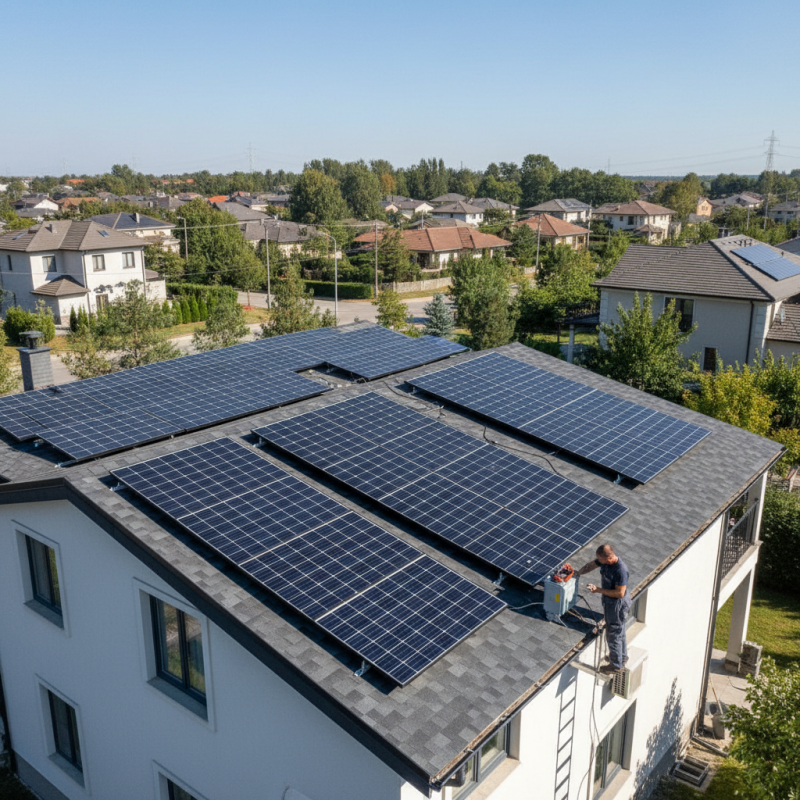
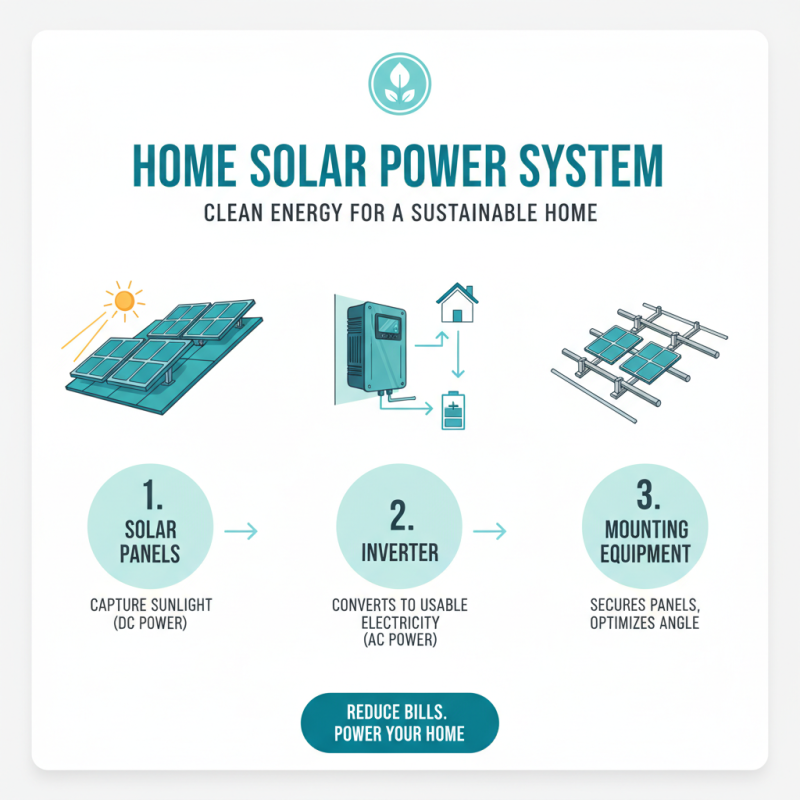
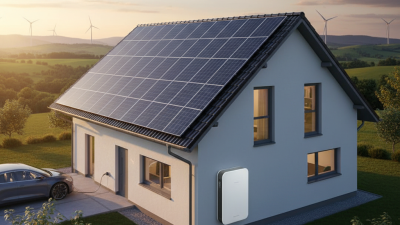
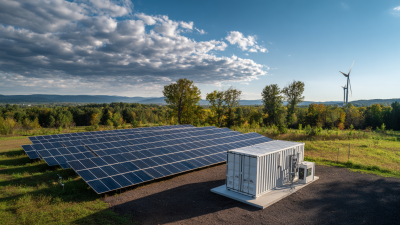
Solar power systems have become a common choice for environmentally conscious homeowners. They harness sunlight to generate electricity, aiming to reduce utility bills. Understanding their components is essential. A typical solar power system includes solar panels, inverters, and mounting equipment. Each component plays a vital role in ensuring efficiency.
The initial cost of solar power can be daunting. Many factors influence the overall price, including system size and installation. On average, homeowners can expect to pay a considerable amount for a fully installed system. Some may find financing options available, but not everyone qualifies. It's crucial to weigh these financial considerations.
Maintenance is often overlooked. Solar panels require periodic cleaning to maintain efficiency. Debris and dirt can significantly reduce energy output. Additionally, inverters typically need replacement after a certain period. Recognizing these hidden costs is necessary for a realistic budget. Some homeowners may not account for these ongoing expenditures, leading to financial surprises down the line.
Factors Influencing the Cost of Solar Power Systems
The cost of solar power systems varies significantly. Several factors influence this price, making it challenging to determine an average. According to a report by the Solar Energy Industries Association (SEIA), installation costs can range from $15,000 to $30,000 for residential solar systems. This variation is primarily due to installation complexity, panel quality, and geographic location.
One major factor is the size of the system. Larger systems often have a lower cost per watt. However, the initial investment is substantial. Local regulations and incentives also play a role. States with strong solar programs can reduce costs through rebates and tax credits. Utility rates can also impact decisions. In areas with high electricity prices, solar can pay for itself faster.
Moreover, installation labor and equipment quality matter. A skilled installer may charge more, but their expertise can lead to better efficiency. Homeowners must carefully consider these aspects. Skimping on quality can lead to higher long-term costs. Inadequate systems may require more maintenance or replacement sooner than expected. It's essential to perform thorough research before making a decision.
Average Costs by System Size and Type
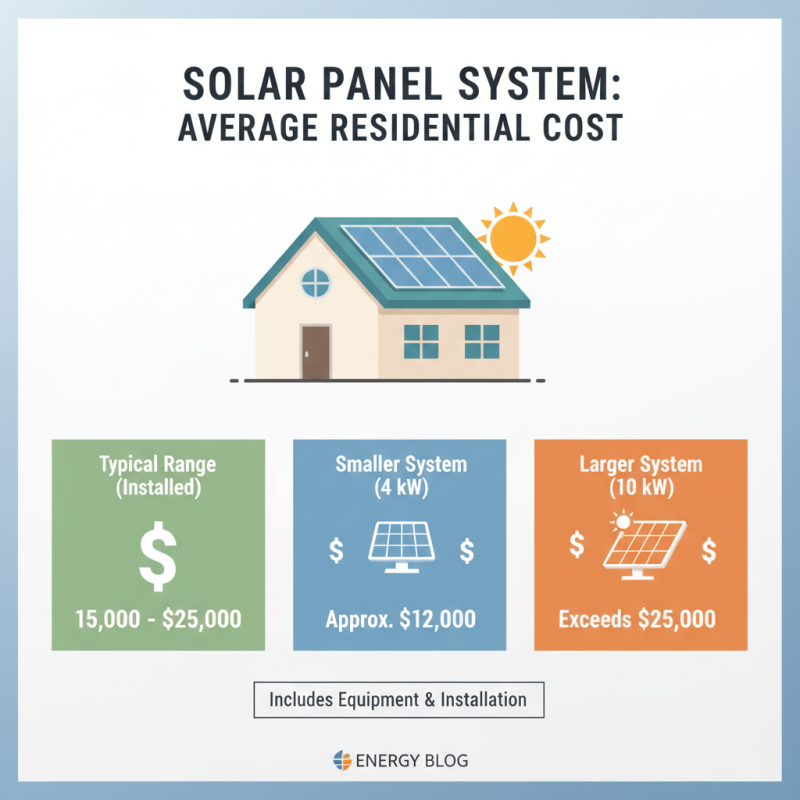
The average cost of a solar power system varies based on size and type. For residential systems, the cost typically ranges from $15,000 to $25,000. This price includes installation and equipment. A smaller, 4 kW system may cost around $12,000, while a larger 10 kW system can exceed $25,000.
Commercial systems are different. Their costs can be significantly lower on a per-watt basis. For a medium-sized business, a 20 kW system might cost about $50,000 initially. Yet, economies of scale play a role. Larger installations often see costs drop to $30,000 for a 100 kW system.
However, many factors affect these estimates. Location matters due to incentives that vary by state. Some areas offer substantial rebates. Others do not. Installation difficulty can also impact costs. Roof type and condition can influence overall expenses. As technology evolves, costs may decrease. Reflecting on these variables encourages careful planning.
Financing Options for Solar Power Systems
Financing a solar power system can seem daunting, but numerous options are available. Many homeowners consider solar loans, which allow them to pay for their systems over several years. The average solar loan can cost between $15,000 to $30,000, with terms typically ranging from 5 to 25 years. Interest rates may vary, so it's crucial to shop around.
Leasing is another popular option. With a solar lease, you pay a fixed monthly payment to use the system. This method often requires little to no upfront cost. According to recent reports, about 30% of solar installations in the U.S. are leased. However, it's essential to read the fine print. You might miss out on tax incentives that come with ownership.
Tips: Always check your credit score. A higher score could lower your interest rates. Look for local and federal incentives to reduce costs. Know the potential downsides of each option. Leasing could mean less long-term savings compared to owning your system. Doing thorough research helps you make informed financial decisions.
Long-Term Savings and Return on Investment for Solar Energy
The average cost of a solar power system can feel overwhelming. However, understanding long-term savings can change that perception. A typical home installation may range from $10,000 to $30,000. This seems high, yet most homeowners see a return on investment within seven to fifteen years.
Consider energy bills. Monthly savings can be significant after installation. Solar panels may reduce energy costs by 50% or more. Over time, this adds up. Even small fluctuations in energy prices will not affect the total. The stability offered by solar energy is worth considering.
It’s essential to reflect on these figures. The initial cost might deter some people. Will you stay in your home long enough to benefit? Not every home is ideal for solar panels. Shade from trees can impact efficiency. Additionally, local regulations vary. Understanding local incentives can help maximize savings. Each decision should be thoughtful and informed.