Top 10 Factors Influencing Solar Power System Cost?
The rapid growth of renewable energy has made solar power a popular choice for many. However, understanding the key factors influencing solar power system cost is crucial. Experts like Dr. Emily Carter, a leading authority in solar energy systems, emphasize that "local regulations and market dynamics significantly shape solar power system cost." This insight is vital for both consumers and industry stakeholders.
Many factors drive the cost of solar power systems. For instance, equipment quality, installation labor, and technology advancements play significant roles. Local policies can either encourage or hinder investment, affecting overall pricing. Dr. Carter's research underlines that geographical factors can also lead to cost variations.
While solar power presents exciting opportunities, recognizing the complexities is essential. Price fluctuations may arise from market instability or changing incentives. The journey toward adopting solar energy, though beneficial, requires careful consideration of these elements. Understanding solar power system cost is not just about numbers; it's about making informed decisions that can lead to a sustainable future.
Factors Influencing the Cost of Solar Panels in Different Markets
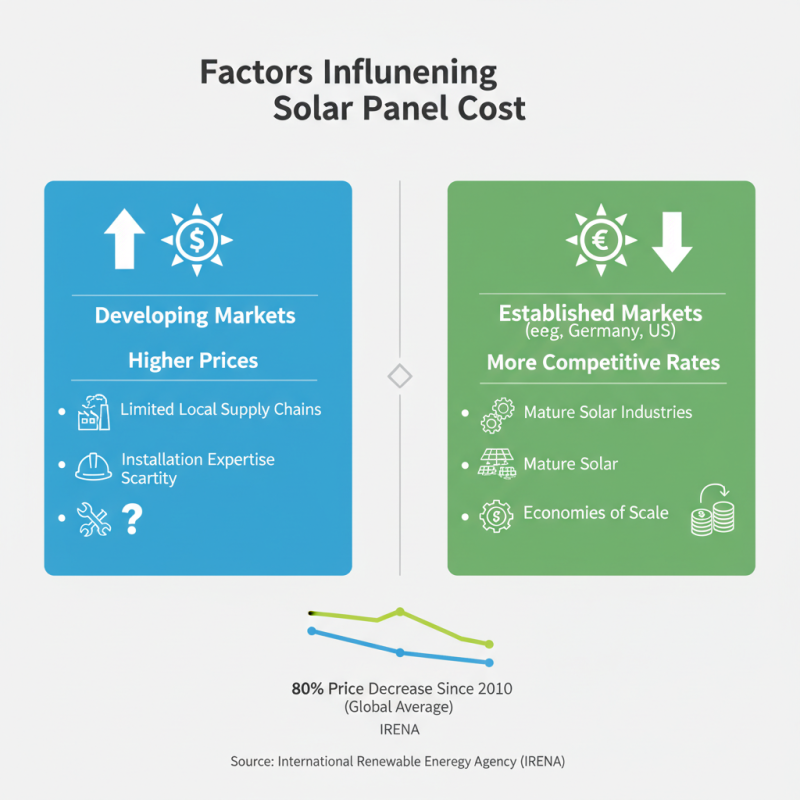
The cost of solar panels varies significantly across different markets. According to the International Renewable Energy Agency (IRENA), the average price of solar photovoltaic (PV) systems has decreased by over 80% since 2010. However, this decline is not uniform. In developing regions, prices may be higher due to limited local supply chains and installation expertise. In contrast, markets with established solar industries, like Germany and the U.S., enjoy more competitive rates.
Moreover, local policies and regulations play a crucial role in shaping costs. Tax incentives, subsidies, and import tariffs can either encourage or hinder solar investment. For instance, countries with strong support systems for clean energy see a higher adoption rate. A recent report by Lazard indicates that the levelized cost of energy (LCOE) from solar is exceptionally low in areas with favorable conditions. Yet, improper regulatory frameworks may lead to inflated prices, reflecting a need for better policy alignment.
Labor costs also contribute to variability. In regions where skilled labor is scarce, installation expenses can soar. This factor often gets overlooked, yet it has a significant impact on the overall system cost. Industry estimates indicate that labor accounts for up to 30% of the total solar project budget. Addressing these disparities and inefficiencies is critical for enhancing solar power's accessibility and affordability.
Installation Costs and Their Variability Across Different Regions
Installation costs for solar power systems can vary significantly across different regions. Local labor rates play a crucial role in determining these costs. In cities with higher living costs, labor expenses can drive up the total installation fee. Conversely, rural areas often benefit from lower labor costs, making solar adoption more affordable.
Geographical factors also impact installation costs. Regions with abundant sunlight may require less intricate systems. For instance, straightforward rooftop setups can be cheaper in sunny states. Meanwhile, areas with frequent shading or complex roof structures may incur higher installation costs. This can create disparities, making solar energy more accessible in some locations than others.
Local regulations and incentives add another layer of complexity. Areas with strong governmental support often see reduced installation costs. However, intricate permitting processes can delay projects, increasing costs. Navigating these factors requires careful consideration, as variations can ultimately affect the financial viability of solar investments.
Government Incentives and Their Impact on Overall System Pricing
Government incentives play a crucial role in shaping the cost of solar power systems. When states and countries offer tax credits, rebates, or grants, they can significantly lower the initial investment. Homeowners often see reduced prices, which increases adoption rates. The presence of these programs creates a more inviting market for solar technologies.
However, the effectiveness of these incentives can vary greatly. Some regions may have generous programs, while others lag behind. This inconsistency leads to disparities in solar power adoption, affecting local economies. Consumers in areas with fewer incentives may feel discouraged. Without proper financial support, many might view solar as unaffordable.
The nuances of these government policies require careful scrutiny. Though incentives can effectively reduce upfront costs, they are not a one-size-fits-all solution. As policies evolve, potential buyers must stay informed. Understanding the local incentives and their impact is essential in making informed decisions.
The overall landscape remains complex, and continuous reflection on these factors can help guide future investments.
Technological Advancements Reducing Solar Power Generation Costs
Technological advancements are reshaping the solar power landscape. These innovations have significantly reduced the costs associated with solar power systems. The efficiency of solar panels has improved due to better materials and designs. Lower production costs also play a crucial role, allowing more homeowners and businesses to adopt solar technology.
Many new solar products are now more affordable. Enhancements in energy storage systems mean that solar energy can be used even when the sun isn’t shining. This reliability is crucial for widespread adoption. Keep an eye on emerging technologies that may further reduce costs.
Tip: When considering a solar installation, research the latest technologies. Look for systems that maximize energy output and minimize expenses. Additionally, analyze the long-term benefits versus initial installation costs. This can help in making an informed decision. Ultimately, the evolving technology landscape promises a brighter future for solar energy.
The Role of Financing Options in Solar System Affordability
Financing options significantly influence the affordability of solar power systems. A recent report from the National Renewable Energy Laboratory shows that financing can affect the total system cost by up to 30%. This impact stems from various choices such as solar loans, power purchase agreements (PPAs), and leasing options. Each financing method presents unique advantages, allowing homeowners to choose based on their financial situation.
Understanding the math behind financing is crucial. For instance, a solar loan can spread the costs over many years, making monthly payments manageable. Leasing options typically require little to no upfront costs. However, this could reduce long-term savings. It is vital to assess how these choices align with financial goals.
**Tip:** Always calculate the total cost over the life of the system, including interest rates and potential incentives. Compare different financing options to determine which works best for your situation. The right choice can lead to significant savings. Remember, taking time to evaluate each option may save you more in the future.
Top 10 Factors Influencing Solar Power System Cost
| Factor |
Description |
Impact on Cost |
| Solar Panel Efficiency |
Higher efficiency panels convert more sunlight into electricity. |
Increases initial investment but decreases installation space needed. |
| Installation Costs |
Labor costs associated with the mounting and wiring of systems. |
Directly affects overall system pricing. |
| Inverter Type |
Choice of string vs. microinverters impacts system efficiency. |
Can significantly impact long-term performance and costs. |
| Financing Options |
Different loan products and leases can affect affordability. |
Easier access to systems, reducing upfront costs. |
| Government Incentives |
Tax credits and rebates reduce financial burden on homeowners. |
Can lower costs by 20-30% depending on the region. |
| Local Regulations |
Zoning laws and permits can add costs or delays. |
May increase installation time and expenses. |
| System Size |
Larger systems benefit from economies of scale. |
Per watt cost typically decreases as size increases. |
| Market Competition |
Number of suppliers and installers influences pricing. |
Increased competition usually lowers costs for consumers. |
| Technological Advancements |
Innovations that improve performance and reduce costs. |
Can lead to lower prices over time as new tech is adopted. |
| Supply Chain Issues |
Delays in sourcing materials can increase costs. |
Can affect pricing and availability of components. |