What is a Residential Solar System and How Does it Work?
Residential Solar Systems have gained significant traction in recent years. As solar technology improves, more homeowners seek sustainable energy sources. According to the Solar Energy Industries Association (SEIA), install capacity for residential solar grew by 24% in 2022 alone. This growth reflects an increasing awareness around energy independence and environmental responsibility.
Experts like Dr. Emily Chen, a leading researcher in solar energy, emphasize the impact of these systems. She asserts, "Residential solar not only reduces energy bills but also empowers homeowners." Her insights highlight the dual benefits of cost savings and environmental consciousness. In the U.S., residential solar capacity reached over 25 gigawatts, enough to power millions of homes.
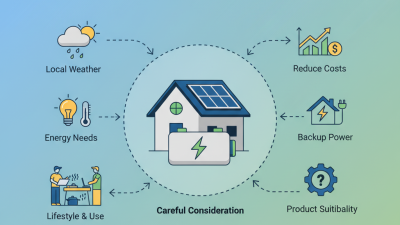
Despite the benefits, barriers remain. Initial costs can deter many potential adopters. Not all regions receive equal sunlight, affecting system efficiency. Additionally, complexities surrounding installation and maintenance persist. Homeowners must navigate these challenges while considering investments in solar infrastructure. Balancing cost, efficiency, and local conditions is crucial for maximizing the advantages of Residential Solar Systems.
What Defines a Residential Solar System?
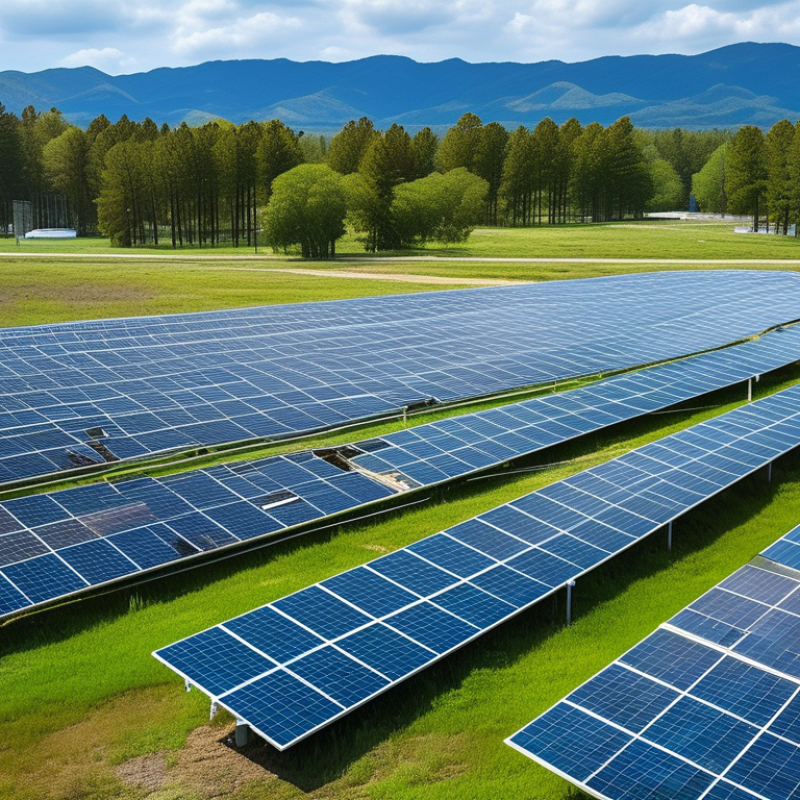
A residential solar system is a setup that converts sunlight into electricity for home use. This system typically includes solar panels, an inverter, and sometimes battery storage. The panels capture sunlight and transform it into direct current (DC) electricity. The inverter then converts this to alternating current (AC) electricity, which is what most household appliances use.
What defines a residential solar system? Primarily, it is tailored for individual homes. According to the U.S. Energy Information Administration (EIA), residential solar capacity has grown significantly, indicating increased interest and investment in renewable energy. Most systems range from 3 to 10 kilowatts, capable of supplying a significant portion of a home’s energy needs. In some cases, homeowners can sell excess electricity back to the grid, maximizing their investment.
Tips: When considering installation, assess your roof’s orientation and shading. This can greatly affect system efficiency. Additionally, review local regulations regarding solar energy usage and net metering policies. It's essential to ensure you comply with your area's specific guidelines. Always verify the credibility of solar providers by checking industry certifications, ensuring a reliable installation.
Residential Solar System Performance Overview
Components of a Residential Solar Power System
A residential solar power system primarily consists of several key components that work together to harness solar energy. The most vital part is the solar panels. These panels capture sunlight and convert it into electricity. They are typically mounted on rooftops for optimal exposure. When sunlight hits the solar cells, it generates direct current (DC) electricity.
Another crucial component is the inverter. This device transforms the DC electricity produced by the panels into alternating current (AC) electricity, which is what most household appliances use. Without a reliable inverter, the system cannot effectively power your home. Additionally, solar batteries can store excess energy generated during sunny days. This stored energy can then be used during cloudy days or at night, providing a consistent power supply.
Wiring connects these components, transferring electricity safely throughout the system. While solar systems are efficient, challenges can arise. Installation must adhere to safety standards and local regulations. Not every home is ideal for solar technology. Factors like roof orientation and shading need consideration. Understanding these components and their interactions is essential for effective solar power use.
What is a Residential Solar System and How Does it Work? - Components of a Residential Solar Power System
| Component |
Description |
Function |
| Solar Panels |
Devices that convert sunlight into electricity using photovoltaic cells. |
Generate electricity from sunlight. |
| Inverter |
Electronic device that converts DC electricity generated by solar panels into AC electricity used in homes. |
Convert and manage electricity flow. |
| Mounting System |
Framework used to secure solar panels on roofs or ground. |
Stabilize and position solar panels. |
| Battery Storage |
Storage system that captures excess energy generated during the day for use at night. |
Store energy for later use. |
| Charge Controller |
Regulates voltage and current coming from the solar panels to the battery. |
Prevent overcharging of batteries. |
| Energy Meter |
Device that measures the amount of electricity produced and consumed. |
Track solar energy production and usage. |
How Solar Panels Convert Sunlight into Electricity
Solar panels are essential components of a residential solar system. They transform sunlight into electricity through a process called photovoltaics. This technology uses semiconductor materials, typically silicon, to absorb sunlight and release electrons. These electrons flow, creating an electric current.
According to the U.S. Department of Energy, residential solar installations have surged over the last decade, with capacity increasing by over 20% per year. This growth indicates that homeowners are increasingly recognizing the benefits of solar energy. However, not all panels offer the same efficiency. A standard panel may convert around 15% to 20% of sunlight into usable electricity, while industry-leading panels can exceed 22%. It is essential for homeowners to assess their options carefully.
Moreover, the installation of solar panels isn't without challenges. Issues like shading from trees or nearby structures can significantly reduce energy harvest. Additionally, geographic location plays a crucial role in system performance. For example, homes in sunnier regions generate more energy than those in cloudier climates. These variables require careful consideration to maximize the benefits of a residential solar system.
The Role of Inverters in a Solar System
In a residential solar system, inverters play a critical role. They convert direct current (DC) electricity generated by the solar panels into alternating current (AC) electricity, which is what most home appliances use. Without an inverter, the solar system would be virtually useless for daily activities. The quality of the inverter can greatly affect the efficiency of energy conversion.
Different types of inverters exist — string inverters, microinverters, and power optimizers, each with unique strengths and weaknesses. String inverters are common and cost-effective, but they may struggle in partially shaded conditions. Microinverters, while often more expensive, optimize energy production at the panel level. This means each panel works independently, enhancing overall system performance. The choice of inverter can significantly impact energy yield, and it’s a detail often overlooked by homeowners.
Installers must evaluate specific household needs and roof conditions. This critical assessment helps determine the most suitable inverter type. However, relying solely on technical specs isn’t enough. Homeowners should also consider reliability and warranty aspects. Not every installation goes smoothly, and issues can arise. Regular maintenance is essential, even with high-quality inverters.
Benefits of Installing a Residential Solar System
Installing a residential solar system offers numerous benefits that make it an appealing choice for many homeowners. One of the most significant advantages is the
reduction in electricity bills. By harnessing sunlight, solar panels generate
free energy. Over time, this can result in substantial savings. Homeowners can expect lower monthly expenses as they rely less on the grid.
Additionally, solar energy is
environmentally friendly. It reduces the carbon footprint and reliance on fossil fuels. This not only helps the planet but also supports local and global sustainability efforts.
Families can take pride in contributing to a
greener future.
However, the installation process can be daunting. Costs may seem high upfront, and potential buyers should research thoroughly. While many states offer incentives, it’s essential to
understand local regulations. Not all roofs are suited for solar panels, and some homes may not yield enough energy. Taking the time to assess these factors will aid in making an informed decision.