Why Solar Power and Battery Storage are Essential for Sustainable Energy Solutions?
The quest for sustainable energy has never been more urgent. Solar Power And Battery Storage are emerging as vital components of this transition. With climate change threatening our planet, the need for clean and renewable energy sources is clearer than ever. Solar power harnesses the sun's energy, offering a reliable and limitless resource. Yet, it must be accompanied by efficient battery storage solutions.
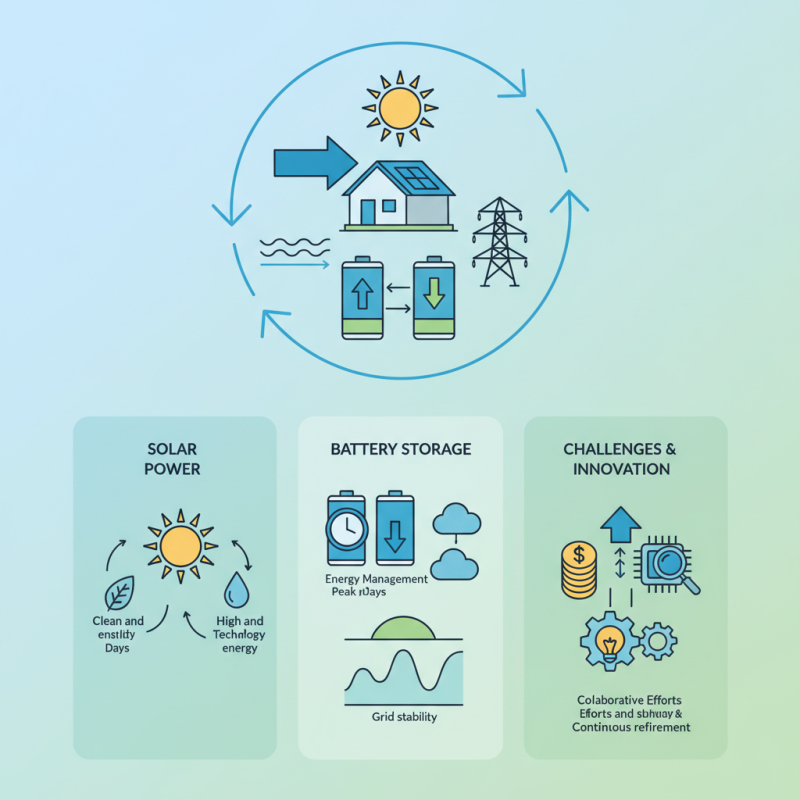
Battery storage plays a crucial role in managing energy supply and demand. It allows excess energy generated during sunny days to be stored for use during peak hours or cloudy days. This capability not only enhances the reliability of solar power but also contributes to a more stable energy grid.
However, the integration of Solar Power And Battery Storage comes with challenges. We still face barriers such as high initial costs and the need for improved technology. These are areas that require thoughtful innovation and investment. As we reflect on these challenges, it’s clear that our commitment to renewable energy must evolve and adapt. Sustainable energy solutions demand collaborative efforts and continual refinement to unlock their full potential.
The Importance of Solar Power in Sustainable Energy Systems
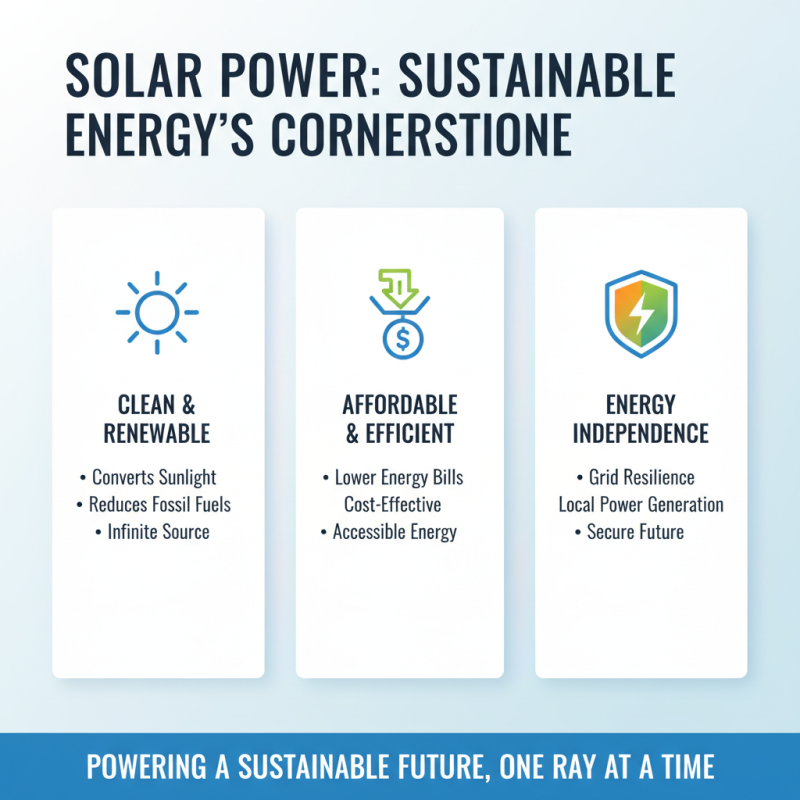
Solar power plays a pivotal role in sustainable energy systems. It converts sunlight into electricity, providing a clean and renewable energy source. Harnessing the sun reduces reliance on fossil fuels, which can exhaust and deplete over time. In many regions, solar energy is now more affordable than traditional energy sources. This shift leads to lower energy bills and promotes energy independence.
However, reliance on solar power comes with challenges. Solar energy generation depends on sunlight availability, which can vary. Nighttime and cloudy days limit power production. Therefore, incorporating battery storage is crucial. Batteries store excess energy generated during sunny periods for use when generation is low. This technology enhances the reliability of solar power in daily life.
Yet, battery technology isn't perfect. Storage solutions can be costly and have environmental implications from production to disposal. Ongoing research aims to improve efficiency and reduce costs. Exploring these issues fosters a deeper understanding of solar energy's future in achieving a sustainable world. It's a complex journey, filled with both potential and necessary reflection on our choices.
Understanding Battery Storage Technologies and Their Role
Battery storage technologies play a crucial role in maximizing the benefits of solar power. As renewable energy sources grow, the ability to store excess energy becomes vital. According to a report by the International Renewable Energy Agency (IRENA), battery storage capacities are expected to increase by 10 times by 2030. This expansion will help balance energy supply and demand, reducing reliance on fossil fuels.
Understanding various battery technologies is essential. Lithium-ion batteries dominate the market, accounting for approximately 90% of all energy storage deployments. However, newer technologies like solid-state and flow batteries are emerging. These alternatives promise longer lifespan, safety, and sustainability. Acknowledging their potential may reshape the industry.
Tips: Regularly evaluate your energy usage to identify patterns. This helps in determining how much battery storage you may need. Also, consider the long-term environmental impact of battery production and disposal. Researching recycling programs can minimize waste. Choosing the right technology should align with your specific energy needs and sustainability goals.
Environmental Benefits of Solar Energy and Battery Integration
Solar energy presents significant environmental benefits, especially when integrated with battery storage. By utilizing vast amounts of sunlight, we minimize greenhouse gas emissions. Over time, this reduces the carbon footprint of homes and businesses. Solar panels convert sunlight into electricity without releasing harmful pollutants. This transition marks a critical step toward cleaner energy solutions.
Battery storage amplifies the benefits of solar power. It captures excess energy produced during sunny days. This stored energy can be used during cloudy periods or at night. As a result, reliance on fossil fuels decreases. However, the manufacturing process of batteries can involve ecological costs. It’s essential to evaluate the entire lifecycle of battery production and disposal.
While solar power is promising, certain limitations exist. Space requirements for solar farms can impact land use. Urban installations may face challenges from shading. Moreover, energy storage technology continues to evolve. Ongoing research is necessary to improve efficiency and reduce environmental impacts. This will ensure solar and battery integration is both practical and sustainable.
Why Solar Power and Battery Storage are Essential for Sustainable Energy Solutions?
| Dimension |
Data |
| CO2 Emissions Reduction (per year) |
1,000,000 tons |
| Energy Cost Savings (average household) |
$1,200 |
| Average Solar Panel Efficiency |
18-22% |
| Battery Storage Capacity (average system) |
10-15 kWh |
| Increase in Renewable Energy Share (goal by 2030) |
50% |
| Number of Jobs Created in Solar Sector |
250,000+ |
Challenges and Solutions in Implementing Solar and Battery Storage
As the demand for renewable energy grows, solar power and battery storage emerge as crucial components of sustainable energy solutions. However, significant challenges exist in their implementation. A 2022 report from the International Renewable Energy Agency (IRENA) highlights that the integration of solar energy systems and storage can be hampered by regulatory barriers and high initial costs. These obstacles can deter investment and slow down the transition to a more sustainable energy grid.
Moreover, the geographic distribution of sunlight varies widely, affecting energy generation. For instance, places with limited sunshine may struggle to rely solely on solar power. According to a study from the National Renewable Energy Laboratory (NREL), the efficiency of solar panels in such regions can drop significantly. This discrepancy necessitates robust energy storage solutions to ensure a stable energy supply. In 2023, the U.S. Department of Energy noted that insufficient battery technology could lead to energy losses during peak production times, emphasizing the need for advancing storage capabilities.
Despite these challenges, innovative solutions are emerging. Community solar projects and microgrids are proving effective in overcoming geographic limitations. Enhancing policies to support solar adoption is also critical. Data indicates that well-structured incentives can increase solar installations by 45%. The pursuit of better battery technology is essential, yet the path remains complex and requires continuous improvement and reflection.
Future Trends in Solar Power and Energy Storage Advancements
The landscape of solar power and energy storage is rapidly evolving. Industry reports predict that by 2026, the global solar power market will reach $223 billion. Innovations in photovoltaic technology contribute significantly to this growth. Advanced materials and designs improve efficiency, with some solar panels now achieving over 22% efficiency.
Energy storage advancements are equally noteworthy. According to a recent report by NREL, battery storage capacity is expected to expand 8 times by 2030. Lithium-ion batteries dominate the market but new technologies, such as solid-state batteries, are emerging. These new batteries promise increased safety and higher energy density, vital for long-term sustainability.
However, the integration of solar power with storage systems is not without challenges. The intermittent nature of solar energy can lead to reliability issues. Grid stability remains a concern as solar installations rise. Continuous improvements in smart grid technology will be essential to address these issues. Industry experts stress the importance of research funding to overcome current limitations and improve integration solutions.