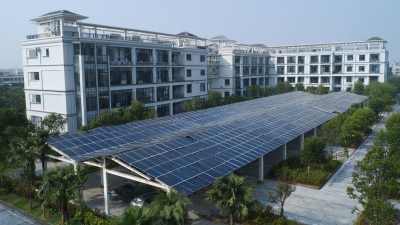
Government Solar Panels in China How to Source Efficiently?
Harnessing solar energy has become crucial for sustainable development. Government solar panels in China are at the forefront of this transition. Renowned industry expert Dr. Mei Li emphasizes the importance of efficiency in sourcing these technologies. She stated, "The right selection of solar panels can drive significant energy savings."
In recent years, China has led the way in solar panel production and deployment. Government initiatives have increased investments in renewable energy. However, sourcing these panels efficiently remains a challenge for many local governments and businesses. The competition is fierce, and quality varies widely.
Engaging with credible suppliers is essential. Researching the materials used and understanding the technology behind these panels can greatly influence outcomes. The landscape of the solar industry constantly shifts. Reflecting on past sourcing strategies is vital to improve future decisions. Finding the balance between cost and quality is no easy task, yet it is necessary for success.
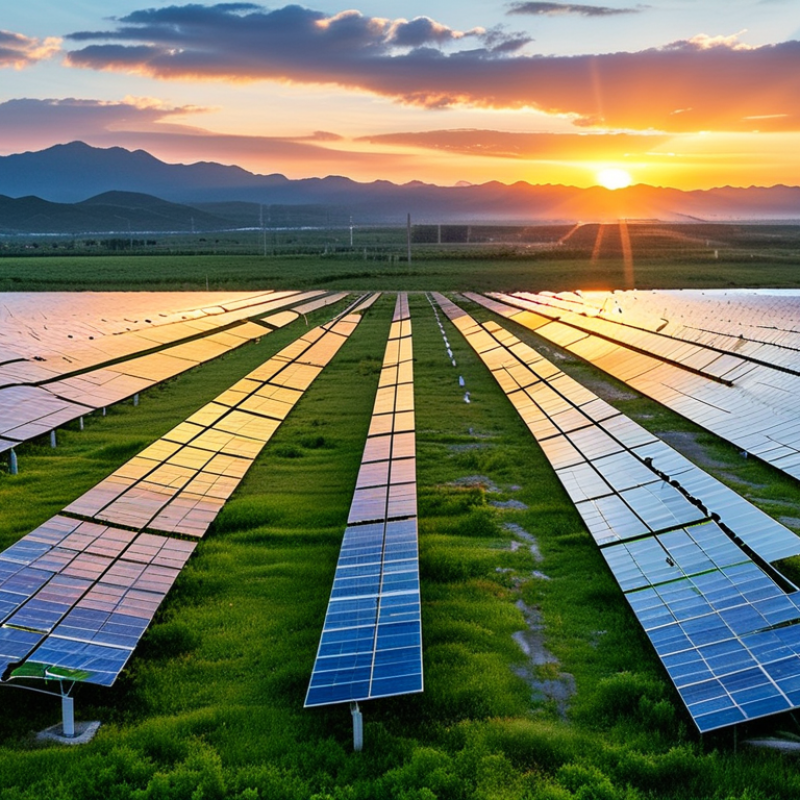
Government Solar Panels in China: Current Market Overview and Trends
The solar panel market in China is expanding rapidly. Data from the China Photovoltaic Industry Association indicates that solar installations reached 52 GW in 2022. This represents a significant increase from previous years. The government's push for renewable energy is a driving force behind this growth. Policies favoring solar energy have encouraged investments in the sector.
In recent years, several trends have emerged. The focus is shifting towards high-efficiency solar panels. These panels offer better performance in limited spaces. Moreover, the demand for integrated solar solutions is on the rise. This includes solar-plus-storage systems, which enhance energy management. Statistical reports show that these solutions are expected to dominate 30% of the market by 2025.
However, challenges persist. Supply chain disruptions and material shortages can hinder production. These issues may lead to delays and cost increases. Companies must adapt to these realities. Sustainable sourcing practices become crucial in navigating the complexities of the market. Embracing innovation and resilience will be vital for future success.
Key Factors Influencing Efficient Sourcing of Solar Panels in China
When sourcing solar panels in China, understanding key factors is essential. The supply chain plays a crucial role in efficiency. Assessing the proximity of manufacturers can shorten delivery times. Choosing suppliers close to production hubs can make logistical operations smoother.
Quality assurance is another important factor. It's vital to verify certifications and testing standards. Engaging in regular communication with potential suppliers can help clarify any doubts. Additionally, establishing long-term relationships can lead to more favorable terms and better quality control over time.
Market research is necessary to stay updated on industry trends. Understanding local regulations is essential in avoiding compliance issues. Sourcing decisions may need adjustments based on shifts in demand or technology advancements. Reflecting on these factors ensures a more efficient sourcing process.
Assessment of Supplier Credentials and Quality Standards for Solar Panels
Sourcing solar panels in China requires careful consideration of supplier credentials and quality standards. A report from the International Renewable Energy Agency (IRENA) indicates that 60% of global solar panel production occurs in China. This emphasizes the importance of finding reliable suppliers.
When assessing suppliers, check their certifications. Products should meet international standards such as IEC 61215 and IEC 61730. These standards indicate that panels have undergone rigorous testing for durability and safety. Look for factory certifications that demonstrate a commitment to quality. Also, request documentation of previous projects to gauge their experience and reliability.
Tips: Always verify the origin of the materials used. Cheap components may compromise efficiency.
Another important factor to consider is the supplier's warranty. A longer warranty often indicates the manufacturer’s confidence in their product's quality. According to a recent SolarPower Europe report, 85% of buyers prefer warranties over 25 years. Understanding the terms and conditions can shed light on potential issues in the future.
Tips: Don't overlook customer reviews. They provide valuable insights into supplier reliability.
Evaluating suppliers can be challenging, but it's crucial for project success. Keep quality, certifications, and feedback at the forefront of sourcing decisions.
Cost Analysis and Budgeting Strategies for Government Solar Panel Projects
Budgeting for government solar panel projects requires thorough analysis.
Accurate cost estimation is crucial for successful implementation.
Understanding the cost of materials, installation, and maintenance is key.
Prices can vary widely based on technology, supplier, and scale.
This unpredictability can challenge project managers.
Engaging local suppliers may reduce transportation costs.
Also, a multi-vendor approach can enhance pricing competition.
However, focusing solely on cost might lead to overlooking quality.
A balance is necessary. Investing in higher-quality panels can yield long-term savings.
Consider the lifespan and efficiency of different options.
Regular budget reviews are essential as project timelines shift.
Changes in regulations or market conditions can impact prices.
Furthermore, unforeseen expenses may arise, emphasizing the need for contingency planning.
Monitoring actual expenditures against the budget ensures that projects stay on track.
Emphasizing a flexible budgeting strategy can navigate these uncertainties effectively.
Case Studies of Successful Government Solar Panel Deployments in China
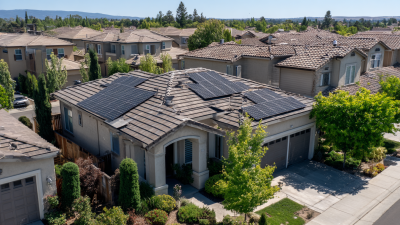
In recent years, China's government-led solar panel initiatives have become prominent examples of successful deployments. The National Energy Administration (NEA) reported that in 2022, China achieved a remarkable solar capacity of over 340 GW. These programs have effectively harnessed solar energy, providing clean power to millions. One notable case is the deployment in rural areas, which aims to alleviate poverty. By installing solar panels on homes, farmers now benefit from reduced electricity costs and increased income through energy sales.
Another successful case is the integration of solar panels in urban infrastructure. Cities like Beijing have implemented solar rooftops on public buildings. The project not only generates energy but also reduces carbon emissions. A 2021 report indicated that urban solar installations contributed to a 15% decrease in urban greenhouse gases. However, challenges remain. Some installations faced maintenance issues, leading to decreased efficiency over time. Continuous monitoring and support are crucial for sustainability.
Local governments also play a role by providing incentives for solar projects. Financial schemes often help cover installation costs. However, not all communities enjoy equal access to these resources. This inconsistency raises questions about equity and inclusivity in solar deployments. Balancing efficiency and accessibility will be essential for future projects to ensure they serve all citizens effectively. These cases showcase the potential and the current hurdles in China's solar panel journey.
Government Solar Panel Deployments in China